
Died On This Date (February 4, 2016) Maurice White / Founder of Earth, Wind & Fire
 themusicsover
 Maurice White
December 19, 1941 – February 4, 2016
 Maurice White was the founder and co-lead singer of the highly influential R&B band, Earth, Wind & Fire. Formed in Chicago in 1969, the band went on to sell over 100 million albums, making them one of the most successful bands of the 20th century. For over four decades, the group dazzled audiences around the world thanks in part to their dynamic horn section and energetic live shows. White was born in Memphis, Tennessee and gravitated toward music at an early age along with childhood friend, Booker T Jones. As a teenager, White moved to Chicago where he found work as a session drummer for the legendary label, Chess Records. He played on numerous records by the likes of Etta James, Muddy Waters, the Impressions, and Buddy Guy. In 1966, he joined Ramsey Lewis Trio with whom he recorded nine albums and received his first Grammy for the single, “Hold It Right There.” Three years later, he formed Earth, Wind & Fire and went on to produce most of the their albums. In all, the group earned six Grammys along with countless other awards and accolades. During the ’80s, White was diagnosed with Parkinson’s Disease. Due to that, he ultimately retired from touring in 1994, but continued to oversee the band’s business side while producing their records and those by others. His most notable successes outside of Earth, Wind & Fire were releases by the Emotions and Deniece Williams. The stunning list of other collaborators includes Barbra Streisand, Weather Report, Neil Diamond, and Minnie Riperton. Maurice White was 74 when he passed away on February 4, 2016. Cause of death was not immediately released but likely attributed to his long battle with Parkinson’s.
What You Should Own

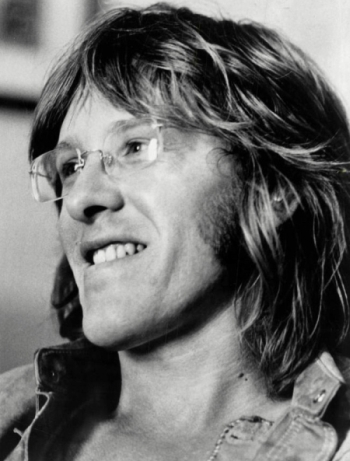 Paul Kantner was the original lead guitarist for influential ’60s counterculture rock band, Jefferson Airplane. Although the group was founded by singer, Marty Balin, Kanter quickly took over running things, and when Balin left, he lead its new incarnation, Jefferson Starship to even greater heights. Formed in San Francisco in 1965, Jefferson Airplane was arguably the flash point of what would become known as psychedelic rock – rock music that was created to help enhance the experience of acid, and in particular, LSD. Along with bands like the Grateful Dead the


