Bobby Parker was an American blues rock guitarist, singer and songwriter who counted no less than Led Zeppelin and the Beatles as his disciples. His biggest hit, 1961’s “Watch Your Step,” was covered by Santana, Manfred Mann and the Spencer Davis Group, while its primary lick was borrowed by the Beatles, Led Zeppelin, the Allman Brothers, Deep Purple and countless more.John Lennon called “Watch Your Step” one of his favorite records of all time. Born in Louisiana but raised in Los Angeles, California, Parker picked up the guitar at a young age. During his early professional years, he played for the likes of Bo Diddley, Sam Cooke, Jackie Wilson, and the Everly Brothers. He later toured with Check Berry and Little Richard among others. He settled in Washington, DC during the ’60s and continued to record and perform over the next four decades. Bobby Parker was 76 when he passed away on November 1, 2013. Cause of death was not immediately released.
Photo by David Plastik – Click To Order Quality Prints – Discount code: 10OFF
Lou Reed was a Brooklyn-born singer, songwriter and musician who is as much remembered as the leader of the Velvet Underground as he is for the successful solo career that followed. Influenced early on by rock ‘n roll , jazz, and rhythm and blues, Reed learned to play the guitar by mimicking songs he heard on the radio. By the time he was in high school, Reed was already playing in a handful of bands. While attending Syracuse University during the early ’60s, he hosted a radio program that focused primarily on doo wop, free jazz and R&B. He later claimed that much of his guitar playing was influenced by jazz saxophonists like Ornette Coleman. During the mid ’60s, Reed was living in New York City where he worked as a staff writer for Pickwick Records. At one point, the label decided to form a group around Reed in an attempt to better pitch his songs. That outfit, the Primitives, included a Welsh multi-instrumentalist by the name of John Cale. The two became fast friends and began building a group that would soon become the Velvet Underground which also included Sterling Morrison and Maureen Tucker. On the behest of Andy Warhol, the group soon brought in German model and musician, Nico just in time to record their debut album, The Velvet Underground & Nico. Although the album was just moderately successful at the time, it is considered one of the most influential of the ’70s. In fact, Rolling Stone cites it at #13 of all time. White Light/White Heat followed and there would be three more until the band called it quits in 1970. Two years later, Reed resurfaced with his debut release, Lou Reed, which was more-or-less new recordings of unreleased Velvet Underground tracks. The album barely got noticed, but was thankfully followed quickly by the David Bowie and Mick Ronson produced Transformer, which reestablished Reed as one of rock music’s most important figures of the era. Songs like “Vicious,” “Satellite Of Love,” and “Walk On The Wild Side” are as influential as any that came out of the ’70s. Reed went on to record and tour through professional peaks and valleys over the next four decades which included a brief reunion of the Velvet Underground. One fact that can’t be denied about Reed, is that his name is synonymous with what would become known as protopunk, a classification of groundbreaking and often difficult to categorize musicians who many would later claim birthed punk rock – not because they were musically similar to punk rock, but because they continually challenged the norm. It must also be noted that Reed was one of the greatest poets rock music has ever known. In April of 2013, Reed received a liver transplant, and by all accounts was recovering, in fact, he later claimed on his website to be stronger than ever. On October 27, 2013 however, he passed away in his home at the age of 71. Cause of death was not immediately released.
Jan Kuehnemund November 15, 1961 – October 10, 2013
Photo by David Plastik – Click To Order Quality Prints – Discount code: 10OFF
Jan Kuehnemund is perhaps best remembered as the founding lead guitarist for Vixen, an all-female glam metal band who achieved a worldwide fan base during the late ’80s. Originally formed with Kuehnemund was in high school in 1974, the band quickly split up but then reformed in 1980. After settling in Los Angeles, the group – often referred to as “the female Bon Jovi” started building a sizable following throughout the flourishing Sunset Strip scene. In 1987, they appeared in Penelope Spheeris’ acclaimed rock doc, The Decline of Western Civilization II: The Metal Years. That was quickly followed by a recording contract with EMI Records who released their self-titled debut in 1988. The album, which included the Richard Marx-penned hit single “Edge Of A Broken Heart,” rose to #41 on the Billboard charts and was nearly as chart-successful in the UK. Rev It Up followed in 1990, while the band was taking the hair metal world by storm. Throughout those couple of years, the band toured with the likes of Ozzy Osbourne, Bon Jovi, Deep Purple, KISS, and Scorpions. The band split up in the middle of 1991 and then reformed a few times over the next several years with Kuehnemund not coming back to the fold until 2001. A version of the band with just Kuehnemund from the original line up released two albums in 2006. The classic late ’80s/early ’90s edition got together for VH1’s Bands Reunited series in 2004. Jan Kuehnemund passed away following a courageous battle with cancer on October 10, 2013. She was 51.
What You Should Own
Click to find at amazon.com
Own A Piece Of Rock and Roll History
Photo by David Plastik – Click To Order Quality Prints – Discount code: 10OFF
Phil Chevron (Born Philip Ryan) June 17, 1957 – October 8, 2013
Phil Chevron was an Irish singer, songwriter and musician who was considered to be one of the most influential musicians in all of Irish punk rock. Born outside of Dublin, Chevron first gained exposure as a member of the Radiators From Space, widely regarded as Ireland’s first punk band. In 1984, Chevron joined the Pogues, initially as a temporary banjoist but soon moved over to guitar when leader, Shane MacGowan decided he wanted to focus more on singing. Chevron stayed in the band until leaving to focus on his health in 1994. During his first run with the Pogues, he played on their now legendary album, Rum, Sodomy and the Lash among others. He is also credited for writing the band’s iconic “Thousands Are Sailing.” During his break from the Pogues, Chevron reformed the Radiators From Space and released the critically acclaimed LP, Trouble Pilgrim. In 2001, he rejoined the Pogues and stayed on board until the time of his passing. In 2004, in the unofficial capacity of lead spokesman for the band, Chevron oversaw the reissues of the Pogues entire back catalog. In 2007, it was announced that he was suffering from esophageal cancer. The following year, believing he had beaten it, Chevron joined the band for a US tour. In May of 2013, the cancer returned with a vengeance and ultimately took his life on October 8, 2013. He was 56.
Thanks to Harold Lepidus at Bob Dylan Examiner for the assist.
Pat Fear (Born Bill Bartell) DOB Unknown – September 24, 2013
Pat Fear is best remembered as the singer and guitarist for the influential Los Angeles-area punk band, White Flag. Formed in 1982 as a sort of antithesis to the angrier local punk outfits, White Flag members took on the parodiable monikers of Jello B. Affro, Mike Mess, and of course, Pat Fear. The band released two seminal albums over the next couple of years, R is for Rocket and S is for Space while performing countless shows throughout California. Over the next three decades, the band released more than a dozen albums as well as numerous EPs and singles. Throughout the band’s run, its lineup included several members who went on to play in other notable bands. The list includes Jim Laspesa (The Muffs, Dave Davies, Bob Cowsill), Greg Hetson (Redd Kross, Circle Jerks), Steven Shane McDonald (Redd Kross), Kim Shattuck (The Muffs, The Pandoras), Ken Stringfellow (The Posies), Eric Erlandson (Hole), A lifelong fan of music, Fear was known to lend his support and even champion other up-and-coming musicians and bands. Two of his early favorites were Os Mutantes and Shonen Knife, both of whom he helped bring to the United States for their first American tours. During breaks from White Flag, Fear worked as a police reservist and bull rider. On September 24, 2013, Pat Fear was found dead in his home at the age of 52. Although his death came as a surprise, reports indicate that he had been in ill health in recent years. Initial coroner findings attribute his death the natural causes.

 themusicsover
  Bobby Parker was an American blues rock guitarist, singer and songwriter who counted no less than Led Zeppelin and the Beatles as his disciples. His biggest hit, 1961’s “Watch Your Step,” was covered by Santana, Manfred Mann and the Spencer Davis Group, while its primary lick was borrowed by the Beatles, Led Zeppelin, the Allman Brothers, Deep Purple and countless more. John Lennon called “Watch Your Step” one of his favorite records of all time. Born in Louisiana but raised in Los Angeles, California, Parker picked up the guitar at a young age. During his early professional years, he played for the likes of Bo Diddley, Sam Cooke, Jackie Wilson, and the Everly Brothers. He later toured with Check Berry and Little Richard among others. He settled in Washington, DC during the ’60s and continued to record and perform over the next four decades. Bobby Parker was 76 when he passed away on November 1, 2013. Cause of death was not immediately released.


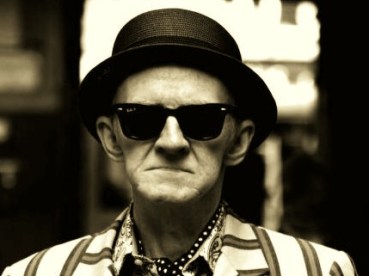 Phil Chevron was an Irish singer, songwriter and musician who was considered to be one of the most influential musicians in all of Irish punk rock. Born outside of Dublin, Chevron first gained exposure as a member of the Radiators From Space, widely regarded as Ireland’s first punk band. In 1984, Chevron joined the Pogues, initially as a temporary banjoist but soon moved over to guitar when leader, Shane MacGowan decided he wanted to focus more on singing. Chevron stayed in the band until leaving to focus on his health in 1994. During his first run with the Pogues, he played on their now legendary album, Rum, Sodomy and the Lash among others. He is also credited for writing the band’s iconic “Thousands Are Sailing.” During his break from the Pogues, Chevron reformed the Radiators From Space and released the critically acclaimed LP, Trouble Pilgrim. In 2001, he rejoined the Pogues and stayed on board until the time of his passing. In 2004, in the unofficial capacity of lead spokesman for the band, Chevron oversaw the reissues of the Pogues entire back catalog. In 2007, it was announced that he was suffering from esophageal cancer. The following year, believing he had beaten it, Chevron joined the band for a US tour. In May of 2013, the cancer returned with a vengeance and ultimately took his life on October 8, 2013. He was 56.
 Pat Fear is best remembered as the singer and guitarist for the influential Los Angeles-area punk band, White Flag. Formed in 1982 as a sort of antithesis to the angrier local punk outfits, White Flag members took on the parodiable monikers of Jello B. Affro, Mike Mess, and of course, Pat Fear. The band released two seminal albums over the next couple of years, R is for Rocket and S is for Space while performing countless shows throughout California. Over the next three decades, the band released more than a dozen albums as well as numerous EPs and singles. Throughout the band’s run, its lineup included several members who went on to play in other notable bands. The list includes Jim Laspesa (The Muffs, Dave Davies, Bob Cowsill), Greg Hetson (Redd Kross, Circle Jerks), Steven Shane McDonald (Redd Kross), Kim Shattuck (The Muffs, The Pandoras), Ken Stringfellow (The Posies), Eric Erlandson (Hole), A lifelong fan of music, Fear was known to lend his support and even champion other up-and-coming musicians and bands. Two of his early favorites were Os Mutantes and Shonen Knife, both of whom he helped bring to the United States for their first American tours. During breaks from White Flag, Fear worked as a police reservist and bull rider. On September 24, 2013, Pat Fear was found dead in his home at the age of 52. Although his death came as a surprise, reports indicate that he had been in ill health in recent years. Initial coroner findings attribute his death the natural causes.